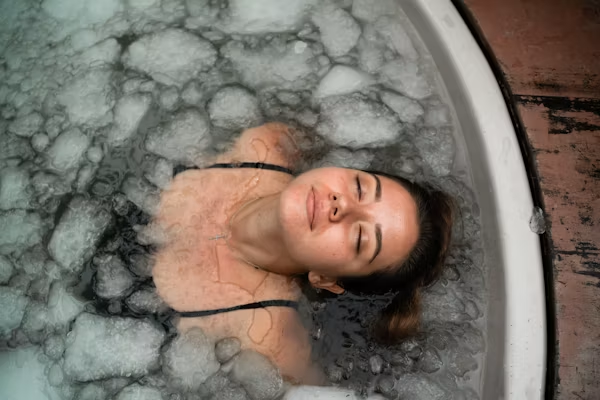
Ice baths have become increasingly popular among athletes, fitness enthusiasts, and people looking to improve their overall wellbeing. Once reserved mainly for professional sports teams, cold water therapy is now widely accessible. Many people use ice baths at home or visit dedicated wellness centres to experience the benefits.

But what exactly are the health benefits of ice baths? Research suggests that regular cold water immersion may support recovery, improve mental resilience, and boost overall health. In this article, we explore the key benefits of ice baths and why more people are adding them to their wellness routines.
What Is an Ice Bath?
An ice bath involves immersing the body in cold water, usually between 10°C and 15°C, for a short period. Most sessions last between five and fifteen minutes.
The sudden exposure to cold temperatures causes blood vessels to constrict. This process triggers several physiological responses throughout the body. Once you leave the ice bath and warm up, blood flow increases again, which may contribute to some of the recovery benefits.
Faster Muscle Recovery
One of the most recognised benefits of ice baths is their ability to support muscle recovery after exercise.
Intense physical activity can cause tiny tears in muscle fibres. This is a normal part of training and helps muscles grow stronger. However, it can also lead to soreness and inflammation.

Cold water immersion may help reduce swelling and inflammation by narrowing blood vessels. Many athletes use ice baths after training sessions or competitions to help manage muscle discomfort and recover more quickly.
While ice baths are not a replacement for proper rest, nutrition, and hydration, they can be a useful recovery tool as part of a wider fitness programme.
Reduced Muscle Soreness
Delayed onset muscle soreness, often known as DOMS, can develop after challenging workouts. Symptoms typically appear within 24 to 48 hours and can make movement uncomfortable.
Ice baths may help reduce the severity of muscle soreness. The cold temperature can numb nerve endings temporarily, which may provide short-term pain relief. Many people report feeling less stiff and more mobile after a cold water session.
This can be particularly beneficial for individuals who train regularly and want to maintain consistent performance throughout the week.
Improved Circulation
Cold water exposure causes blood vessels near the skin to constrict. When the body warms up afterwards, these vessels expand again.
This process encourages blood circulation throughout the body. Good circulation helps transport oxygen and nutrients to tissues while supporting the removal of waste products.
Although more research is needed to fully understand the long-term effects, many experts believe that regular exposure to cold water may contribute to improved vascular function and cardiovascular health.
Enhanced Mental Resilience
Ice baths challenge both the body and the mind. Stepping into cold water can be uncomfortable, especially for beginners.
Learning to stay calm and control breathing during this experience can help build mental resilience. Many people find that regular cold exposure improves their ability to handle stressful situations in everyday life.
The practice encourages mindfulness and focus. Rather than dwelling on distractions, individuals often concentrate on their breathing and the present moment.

Over time, this can help develop greater self-discipline and confidence.
Potential Mood Improvement
Many people report feeling energised and uplifted after an ice bath.
Cold water exposure stimulates the release of certain neurotransmitters, including dopamine and noradrenaline. These chemicals play important roles in mood, motivation, and alertness.
Some studies suggest that cold water immersion may contribute to improved emotional wellbeing and reduced feelings of stress. The sensation of accomplishment after completing an ice bath can also create a positive mental boost.
While ice baths should not be viewed as a treatment for mental health conditions, they may support overall wellbeing when combined with healthy lifestyle habits.
Better Stress Management
Exposure to controlled stressors can help the body adapt more effectively over time. This concept is known as hormesis.
Ice baths provide a short period of physical stress in a controlled environment. As the body adapts, some people experience improvements in their ability to cope with everyday stress.
The breathing techniques commonly used during cold water immersion can also promote relaxation. Slow, controlled breathing helps activate the body’s calming response, which may reduce feelings of anxiety and tension.
Increased Energy Levels
Many people use ice baths as a natural way to boost energy levels.
The shock of cold water activates the nervous system and increases alertness. Heart rate and breathing temporarily rise as the body responds to the cold.
After the initial discomfort passes, many individuals report feeling refreshed, awake, and ready to tackle the day. This is one reason why some people choose to take ice baths in the morning.
Unlike caffeine, the energy boost from cold water immersion does not rely on stimulants.
Support for Athletic Performance
Recovery plays a vital role in athletic performance. The ability to recover effectively between training sessions allows athletes to maintain consistency and reduce the risk of overtraining.
Ice baths may help support recovery by reducing inflammation and muscle soreness. This can allow athletes to return to training feeling fresher and more prepared.
Many professional sports teams include cold water therapy as part of their recovery protocols. While results can vary between individuals, ice baths remain a popular tool in competitive sport.
Possible Immune System Benefits
Some research suggests that regular cold exposure may have a positive impact on immune function.
Cold water immersion may stimulate the production of certain immune cells and encourage physiological adaptations that support overall health.
However, more scientific research is needed in this area. Ice baths should not be considered a substitute for healthy habits such as regular exercise, adequate sleep, and a balanced diet.
Tips for Safe Ice Bath Use
If you are new to ice baths, it is important to start gradually.
Follow these safety guidelines:
- Begin with shorter sessions of one to three minutes.
- Use water that is cool rather than extremely cold.
- Focus on slow and controlled breathing.
- Never force yourself to stay in the water if you feel unwell.
- Avoid ice baths if you have certain cardiovascular conditions unless advised by a healthcare professional.
- Warm up naturally after leaving the bath.
Listening to your body is essential. What works for one person may not be suitable for another.
Conclusion
The health benefits of ice baths have attracted growing attention in recent years. From supporting muscle recovery and reducing soreness to improving mental resilience and boosting energy levels, cold water therapy offers a range of potential advantages.
While ice baths are not a miracle solution, they can be a valuable addition to a healthy lifestyle. When used safely and consistently, cold water immersion may help support physical recovery, mental wellbeing, and overall performance.
As interest in wellness continues to grow, it is likely that ice baths will remain a popular recovery and health practice for years to come.

Leave a Reply