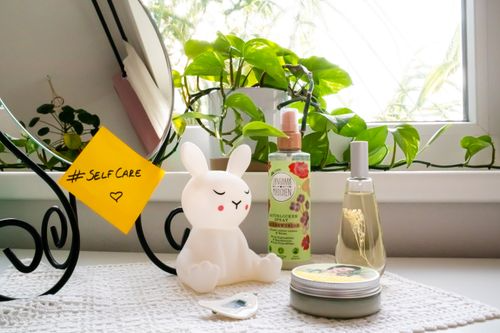
In today’s fast-paced world, the terms self-care and soul-care are often used interchangeably. However, they are not the same thing. While both support your wellbeing, they focus on different parts of your health. Understanding the difference can help you build a more balanced and fulfilling lifestyle.

What Is Self-Care?
Self-care refers to the actions you take to look after your physical, mental, and emotional health. It is often practical and focused on daily habits that help you function well.
Examples of self-care include:
- Getting enough sleep
- Eating balanced meals
- Exercising regularly
- Setting boundaries at work
- Taking breaks when needed
Self-care is about maintenance. It helps prevent burnout and keeps your body and mind in good condition. For many people, self-care also includes skincare routines, relaxing baths, or watching a favourite series after a long day.
In the UK, self-care has become a key part of modern wellness culture. From mindfulness apps to gym memberships, there are many ways people incorporate it into daily life.
What Is Soul-Care?
Soul-care goes deeper than self-care. It focuses on your inner self, your sense of purpose, and your emotional connection to life. It is less about routine and more about meaning.
Soul-care activities often include:
- Journalling your thoughts and feelings
- Spending time in nature
- Practising meditation or prayer
- Engaging in creative hobbies
- Reflecting on your values and goals
Soul-care is about alignment. It helps you feel connected to who you are and what matters most to you. While self-care keeps you going, soul-care gives you a reason to keep going.
Key Differences Between Self-Care and Soul-Care
Although they overlap, there are clear differences between the two.
Self-care is practical and often scheduled. It includes things you do to stay healthy and manage stress. Soul-care is more reflective and emotional. It involves deeper thinking and personal growth.
Self-care can sometimes feel like a task on your to-do list. Soul-care feels more like a choice that nourishes your inner life.
For example, going to the gym is self-care. Taking a long walk in the countryside while thinking about your life goals leans more towards soul-care.
Why Both Are Important
Focusing on only one can leave you feeling out of balance. If you only practise self-care, you may feel physically well but emotionally disconnected. If you only focus on soul-care, you may neglect your basic needs.
A healthy lifestyle includes both.
Self-care helps you stay energised and resilient. Soul-care helps you feel fulfilled and grounded. Together, they support long-term wellbeing.

This balance is especially important in busy UK lifestyles, where work, social commitments, and daily pressures can quickly become overwhelming.
Signs You Need More Self-Care
Sometimes your body and mind will tell you when self-care is lacking. Common signs include:
- Feeling constantly tired
- Struggling to focus
- Frequent headaches or tension
- Increased irritability
- Poor sleep patterns
If you notice these signs, it may be time to improve your daily habits. Small changes like better sleep routines or regular meals can make a big difference.
Signs You Need More Soul-Care
Soul-care needs are often quieter but just as important. You might need more soul-care if you feel:
- Lost or unsure about your direction
- Emotionally drained despite resting
- Disconnected from your passions
- Unmotivated or stuck
- Like something is missing
In these moments, practical self-care may not be enough. You need time to reflect and reconnect with yourself.
How to Practise Self-Care and Soul-Care Together
The best approach is to combine both in your routine. This creates a more balanced and sustainable lifestyle.
Here are some simple ways to do that:
- Start your day with a short mindfulness practice and a healthy breakfast
- Take a walk outdoors instead of scrolling on your phone
- Set clear work boundaries and use your free time for hobbies you enjoy
- Create a weekly routine that includes both exercise and quiet reflection
- Spend time with people who support your growth and wellbeing
You do not need to spend hours on either. Even small, consistent actions can have a big impact.
Self-Care Trends vs Soul-Care Depth
It is worth noting that self-care is often influenced by trends. Social media can make it seem like self-care is all about buying products or following routines.
While there is nothing wrong with enjoying these things, true self-care does not have to be expensive or complicated.

Soul-care, on the other hand, is less visible and less commercial. It is personal and cannot be bought. It requires time, honesty, and self-awareness.
For UK readers navigating busy schedules and rising living costs, this is an important distinction. You can prioritise wellbeing without spending a lot of money.
Creating Your Own Balance
There is no perfect formula for self-care and soul-care. Everyone’s needs are different.
Start by asking yourself:
- What helps me feel physically well?
- What helps me feel emotionally fulfilled?
- Where do I feel most out of balance?
From there, build a routine that supports both areas. Keep it simple and realistic so you can stick to it.
For example, you might commit to three gym sessions a week for self-care and one quiet evening for journalling or reading for soul-care.
Final Thoughts
Self-care and soul-care are both essential for a healthy and happy life. One supports your body and daily function. The other supports your inner world and sense of purpose.
By understanding the difference, you can create a routine that truly works for you. Instead of chasing trends, focus on what makes you feel both well and whole.
When you care for both your self and your soul, you build a stronger foundation for long-term wellbeing.

Leave a Reply