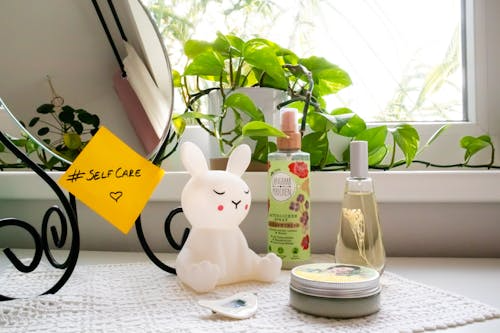
Stressful weeks can affect your mood, sleep, focus, and energy levels. When life feels busy, self-care often becomes the first thing people ignore. Yet taking care of yourself during difficult periods can help you stay calm, healthy, and productive.

Self-care does not need to be expensive or time consuming. Small daily habits can make a big difference to your mental and physical wellbeing. Whether you are dealing with work pressure, family responsibilities, or a packed social calendar, simple self-care ideas can help you reset.
In this guide, we will explore the best self-care ideas for stressful weeks. These tips are easy to follow and perfect for creating a healthier routine.
Why Self-Care Matters During Stressful Weeks
Stress can impact both the body and mind. You may feel tired, anxious, irritated, or overwhelmed. Long periods of stress can also affect sleep, digestion, concentration, and immune health.
Self-care gives your mind and body time to recover. It helps reduce stress levels and improves your overall wellbeing. Even a few minutes each day can help you feel more balanced.
Many people think self-care means spa days and luxury products. In reality, self-care is about doing things that support your health and happiness.
Start Your Morning Without Rushing
A stressful week often begins with a rushed morning. Waking up late, skipping breakfast, and checking emails straight away can increase anxiety.
Try creating a calmer morning routine. Wake up a little earlier so you have time to prepare for the day. Drink water, stretch your body, and enjoy a healthy breakfast.

Avoid looking at social media as soon as you wake up. Instead, spend a few quiet minutes focusing on yourself before the day becomes busy.
Simple morning habits can improve your mood and help you feel more in control.
Get Enough Sleep
Sleep is one of the most important forms of self-care. Poor sleep can make stress feel worse and leave you feeling exhausted.
Aim for a regular sleep schedule, even during busy weeks. Go to bed and wake up at similar times each day. Create a relaxing bedtime routine to help your body unwind.
You could try reading a book, listening to calming music, or drinking herbal tea before bed. Reduce screen time in the evening because bright screens can make it harder to fall asleep.
A good night’s sleep helps improve focus, mood, and energy.
Take Short Breaks During the Day
When stress builds up, many people try to work harder and push through the day without breaks. This often leads to burnout.
Taking short breaks can improve productivity and help reduce mental fatigue. Step away from your desk for a few minutes every hour. Stretch your legs, make a cup of tea, or get some fresh air.
Even a short walk around the block can help clear your mind.
Small breaks allow your brain to reset and improve concentration.
Spend Time Outdoors
Fresh air and natural light can have a positive effect on mental wellbeing. Spending time outside is one of the easiest self-care ideas for stressful weeks.
You do not need to plan a long countryside walk. A short visit to a local park or a walk around your neighbourhood can still help.
Nature can help calm the mind and reduce feelings of stress. Outdoor exercise can also boost energy and improve sleep quality.
If possible, try to spend at least twenty minutes outside each day.
Stay Hydrated and Eat Nourishing Foods
Busy weeks often lead to unhealthy eating habits. Many people skip meals or rely on sugary snacks and takeaway food.
While comfort foods can feel satisfying in the moment, balanced meals can support both physical and mental health.

Drink enough water throughout the day and try to include fresh fruit, vegetables, protein, and whole grains in your meals.
Healthy snacks such as nuts, yoghurt, or fruit can help maintain energy levels.
Eating well can help your body manage stress more effectively.
Move Your Body
Exercise is a powerful way to reduce stress and improve mood. Physical activity releases endorphins, which are chemicals that help you feel happier.
You do not need an intense workout to feel the benefits. Gentle movement can still support your wellbeing.
Some simple self-care activities include:
- Yoga
- Walking
- Stretching
- Dancing at home
- Cycling
- Swimming
Choose activities you genuinely enjoy. This makes it easier to stay consistent.
Create a Relaxing Evening Routine
After a stressful day, your mind may struggle to switch off. A calming evening routine can help you relax.
Try dimming the lights, putting your phone away, and doing something peaceful before bed.
You could:
- Take a warm bath
- Read a book
- Journal your thoughts
- Listen to a podcast
- Practise meditation
- Use skincare products you enjoy
Even small evening rituals can help signal to your brain that it is time to rest.
Limit Social Media and News Consumption
Constant notifications and negative news stories can increase stress and anxiety.
During difficult weeks, it can help to spend less time online. Set boundaries around screen time and avoid endlessly scrolling before bed.
You do not need to stop using social media completely. Instead, be more mindful about how much time you spend online and the content you consume.
Unfollow accounts that make you feel stressed or pressured. Focus on content that inspires or relaxes you.
Connect With Supportive People
Self-care is not only about spending time alone. Talking to trusted friends or family members can also help during stressful periods.
A simple conversation can make you feel supported and less overwhelmed.
If you feel comfortable, share how you are feeling with someone you trust. You may find that many people are experiencing similar struggles.
Spending time with positive people can improve your mood and reduce feelings of isolation.
Learn to Say No
One of the best self-care habits is protecting your time and energy.
Many people feel guilty about saying no to extra work, events, or responsibilities. However, taking on too much can increase stress and exhaustion.
It is okay to set boundaries. If your schedule already feels full, give yourself permission to decline things that are not essential.
Protecting your mental wellbeing is important.
Try Mindfulness or Meditation
Mindfulness can help you stay present and reduce anxious thoughts.
Meditation does not need to be complicated. Even five minutes of deep breathing can help calm your nervous system.
You can try guided meditation apps, breathing exercises, or simple mindfulness activities like focusing on your surroundings during a walk.
Regular mindfulness practice may help improve sleep, focus, and emotional balance.
Make Time for Things You Enjoy
During stressful weeks, hobbies often get ignored. Yet doing things you enjoy can improve your mood and reduce tension.
Make time for activities that help you relax and feel happy.
This could include:
- Baking
- Gardening
- Watching your favourite series
- Listening to music
- Painting
- Reading
- Crafting
Enjoyable activities give your mind a break from stress.
Final Thoughts
Stressful weeks are a normal part of life, but looking after yourself can make those periods easier to manage.
The best self-care ideas are often simple and realistic. Small daily habits like getting enough sleep, drinking water, spending time outdoors, and taking regular breaks can have a positive impact on your wellbeing.
Remember that self-care is not selfish. Taking care of yourself helps you feel healthier, calmer, and more prepared to handle life’s challenges.
Start with one or two small changes and build from there. Over time, these habits can become part of your everyday routine and help you manage stress in a healthier way.
Leave a Reply