Home should be a place where you can switch off from the stresses of daily life. Yet many people find their homes can sometimes feel cluttered, chaotic, or overwhelming. The good news is that creating a more relaxing environment does not have to involve expensive renovations or a complete redesign. Small changes can make a significant difference to the way your space looks and feels.
Here are ten simple ways to turn your home into a calming retreat that helps you unwind and recharge.
1. Declutter Your Living Spaces
One of the quickest ways to make a home feel more relaxing is to reduce clutter. When surfaces are crowded with paperwork, unused items, or random belongings, it can create a sense of stress and make a room feel smaller than it is.
Start with one room at a time and focus on clearing visible clutter. Use storage baskets, shelves, and organisers to keep items neatly tucked away. Regularly donating or recycling things you no longer use can also help prevent clutter from building up again.
A tidy space often leads to a clearer mind, making it easier to relax after a busy day.
2. Introduce Soft Lighting
Lighting plays a major role in setting the mood of a room. Harsh overhead lights can feel clinical, while softer lighting creates a warm and welcoming atmosphere.
Consider using table lamps, floor lamps, or wall lights to create layers of light throughout your home. Warm white bulbs can provide a cosy glow, particularly during the evenings. Dimmer switches can also be useful, allowing you to adjust the brightness depending on the time of day or the occasion.
Candles and battery-operated lanterns can add an extra layer of comfort without requiring a major investment.
3. Choose Calming Colours
The colours around you can influence how you feel. Soft, muted tones tend to create a more peaceful environment than bright or overly bold shades.
Popular calming colours include:
- Soft blues
- Sage greens
- Warm neutrals
- Gentle greys
- Pale creams
You do not need to repaint your entire home to benefit from these colours. Cushions, throws, curtains, and decorative accessories can introduce a soothing colour palette without a major commitment.
4. Bring Nature Indoors
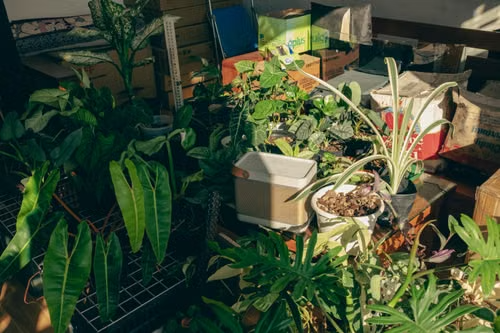
Adding natural elements to your home can instantly make it feel more tranquil. Houseplants are particularly effective because they introduce colour, texture, and a connection to nature.

Even if you are not confident with plant care, there are many low-maintenance options available, including snake plants, peace lilies, and pothos. Fresh flowers can also brighten a room and create a sense of calm.
Natural materials such as wood, rattan, linen, and stone can further enhance the relaxing feel of your space.
5. Create a Comfortable Seating Area
A relaxing home should encourage you to slow down and spend time unwinding. Comfortable seating is an important part of that.
Whether it’s a cosy armchair in a quiet corner or a well-cushioned sofa, having somewhere comfortable to sit can make a big difference. Layer soft blankets and cushions to increase comfort and create a more inviting atmosphere.
You might even dedicate a small area to reading, listening to music, or enjoying a cup of tea without distractions.
6. Improve Your Indoor Air Quality
Fresh, clean air can help make your home feel healthier and more comfortable. Poor air quality can leave spaces feeling stuffy and unpleasant, while good ventilation can contribute to a fresher environment.
Opening windows regularly allows fresh air to circulate throughout your home. Keeping rooms well ventilated can help reduce moisture and improve overall comfort levels. Houseplants may also contribute to a fresher feeling indoor environment.
Regular cleaning, especially of soft furnishings and carpets, can help reduce dust and allergens that may affect how comfortable your home feels.
7. Add Soft Textures
Texture plays a surprisingly important role in creating a relaxing atmosphere. Soft materials encourage comfort and make spaces feel instantly more welcoming.

Consider introducing:
- Plush cushions
- Cosy throws
- Thick rugs
- Linen bedding
- Velvet or boucle accessories
Layering different textures adds depth and warmth to a room, helping it feel more comfortable throughout the year.
8. Reduce Noise and Distractions
Excessive noise can make it difficult to truly relax at home. While some external noise is unavoidable, there are steps you can take to create a more peaceful environment.
Heavy curtains, rugs, and upholstered furniture can help absorb sound and reduce echoes. Background music, a small water feature, or even white noise can also create a calmer atmosphere.
Limiting unnecessary notifications from phones and devices can further support relaxation by reducing constant interruptions.
9. Create a Relaxing Bedroom Environment
A restful bedroom is essential for both relaxation and quality sleep. Small changes can transform your bedroom into a more peaceful retreat.
Focus on maintaining a clutter-free environment and investing in comfortable bedding. Keep technology to a minimum where possible and choose calming colours that promote rest.
Blackout curtains can help block external light, while soft bedside lighting can make evening routines feel more soothing. Scented candles, essential oil diffusers, or linen sprays can also enhance the sense of relaxation.
10. Personalise Your Space With Meaningful Details
A relaxing home should reflect your personality and bring you joy. Surrounding yourself with meaningful items can create a stronger emotional connection to your space.
Family photographs, travel souvenirs, artwork, books, or treasured keepsakes can help make your home feel uniquely yours. The key is to display these items thoughtfully rather than overcrowding surfaces.
When your surroundings reflect the things you love, your home naturally becomes a place where you feel comfortable and at ease.
Final Thoughts
Creating a more relaxing home does not require a huge budget or a complete makeover. Often, it is the small, intentional changes that have the greatest impact. Decluttering, improving lighting, introducing natural elements, and adding comfort through texture can all contribute to a calmer environment.
By making a few simple adjustments, you can transform your living space into a comfortable retreat where you can unwind, recharge, and enjoy spending time every day.
Leave a Reply