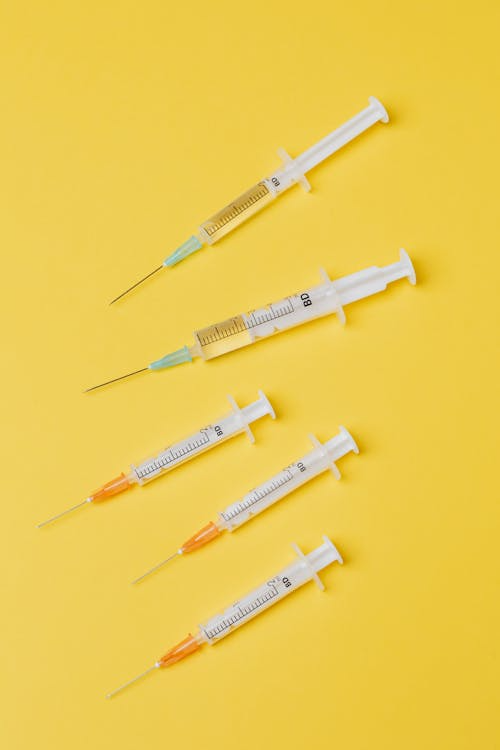
Over the past two years, a new wave of weight loss medications has taken the world by storm. These drugs are known by names like Ozempic, Wegovy, and Mounjaro. They were originally developed to treat type 2 diabetes. Now, they have become global buzzwords. Their influence extends well beyond the medical community. It sparks intense debate about living in a body-positive era. The discourse continues while celebrating rapid, medically assisted weight loss.
As millions of people begin using these drugs, they are changing physiques. They are also reshaping conversations about health, beauty standards, and even self-worth.
The Rise of the New Weight Loss Revolution
Semaglutide‑based medications entered the mainstream in 2023. They offer a new level of effectiveness compared with older diet pills or restrictive eating plans. Unlike appetite suppressants from past decades, these weight loss medications work by mimicking a natural hormone. This hormone helps regulate blood sugar and hunger. As a result, many users experience significant and sustainable weight loss.
Social media has amplified their rise. Celebrities and influencers have shared transformations, both confirmed and rumoured. What began as a medical innovation quickly became a lifestyle phenomenon. Searches for “Ozempic for weight loss” surged. News outlets ran one headline after another. Online communities formed to discuss experiences, side effects, and results.
But as quickly as the excitement spread, so did concern. Are these drugs reinforcing harmful beauty ideals, or are they helping people achieve a healthier relationship with their bodies?

A Complex Shift in Body Image Culture
The past decade saw a major cultural movement toward body positivity and acceptance, celebrating diversity and challenging fatphobia. Yet the popularity of weight loss drugs raises an important question. Can body positivity coexist with a new medical focus on thinness?
Influencers who once championed “self‑love at any size” are now navigating a delicate shift. Some argue that using weight loss medication does not erase body positivity; it is simply another form of self‑care. Others believe it risks undermining years of progress toward inclusivity and body diversity.
For many people, the conversation no longer fits neatly into “pro” or “anti” categories. People are weighing mental health, physical health, and social acceptance together. These drugs are redefining what it means to feel comfortable in one’s own body. This is not only in terms of size but also in control, choice, and identity.
How Social Media Fuels the Narrative
If you have scrolled through TikTok lately, you have probably seen #OzempicBody trending. Videos range from personal diaries to sceptical commentary about unrealistic expectations. Platforms like Instagram and Reddit serve as support networks. They also act as debate hubs. On these platforms, users exchange advice. They question ethics in equal measure.
On one hand, social media has made the science behind these drugs more accessible. People share side effects, dosage tips, and lifestyle adjustments openly. This openness creates transparency. This level of transparency was not common in the diet industry of the 1990s or 2000s.
On the other hand, social media also risks glamorising extreme transformation. Before‑and‑after photos capture attention but can reinforce comparison culture. Conversations that once celebrated body diversity are now overshadowed by a new digital competition. This competition is based on medical intervention rather than willpower.
Health First or Image First?
Weight loss has always lived in the grey area between health and aesthetics. This new generation of drugs deepens that divide. For people living with obesity or metabolic disease, medications like Wegovy can provide life‑changing benefits. These include lower blood sugar and improved heart health. Another benefit is the reduced risk of diabetes complications. In these cases, weight loss represents a medical success.
However, when thinner individuals use these drugs for cosmetic reasons, it raises ethical questions about access and purpose. Shortages have already affected diabetics who rely on the medication for health reasons, increasing criticism of off‑label cosmetic use.
This tension has made both medical experts and everyday users reconsider their motivation for losing weight. Is it driven by health, appearance, or a combination of the two?

The Role of the Wellness Industry
The wellness industry, worth trillions globally, has quickly adapted to this trend. Clinics and online telehealth providers now offer subscription‑based injection plans that include nutrition coaching and mental wellbeing support. Marketing language has also evolved. Brands use phrases such as “sustainable wellbeing” and “balanced lifestyle” instead of “getting skinny.”
This shift in tone shows how the industry has learned from past criticism. However, it also highlights how easily commercialisation adjusts to social change. The same slogans that once promoted juice cleanses or detox plans are now linked to weight loss injections. Transformation today is not just lifestyle‑driven but scientifically engineered.
Body Positivity 2.0: Evolving the Conversation
What we are witnessing could be described as Body Positivity 2.0, a stage where bodily autonomy is central. The new message has shifted. It is no longer “love your body as it is.” Now it is “you decide what is best for your body.” For some, that means taking medication; for others, it means acceptance without intervention.
This updated approach also opens up conversations about privilege and accessibility. These drugs can cost hundreds of pounds each month. This cost puts them out of reach for many who might need them most. As with cosmetic treatments, weight loss injections often reflect economic inequality as much as personal choice.
The focus should not be on whether people use these drugs. Instead, it should be on how the discussion is framed. Responsible dialogue should acknowledge both the scientific benefits and the social pressures at play.
Celebrity Culture and the Return of the Thin Ideal
Pop culture continues to shape beauty ideals, and medication‑assisted transformations have revived concerns about a “thin is in” narrative. Fashion critics note that the catwalks and red carpets of 2025 displayed noticeably leaner physiques, echoing early‑2000s aesthetics.
This shift may not be coincidence. When public figures are linked to weight loss medications, the perception of what is “achievable” changes. The renewed discussion around female body size suggests we may be revisiting older ideals while presenting them as health‑driven progress.
Education and Empathy: The Way Forward
To move forward, experts encourage education and empathy over judgment. Medical professionals emphasise that while these drugs can be effective, they require proper supervision and lifestyle changes to sustain results. Therapists recommend separating physical health goals from appearance expectations to prevent renewed patterns of body dissatisfaction.
This open, informed dialogue could help prevent a new generation from equating worth with weight once again. Focusing on personal motivation rather than comparison may lead to healthier, more genuine self‑care choices.
In a world where weight loss medications can reshape both health outcomes and self‑perception, society is redefining beauty and wellbeing. These treatments have made one truth very clear: body image evolves alongside science, culture, and technology. How people adapt to these changes will be crucial. People may choose compassion or competition. This choice will determine whether this new era empowers individuals or pressures them to conform.
Leave a Reply