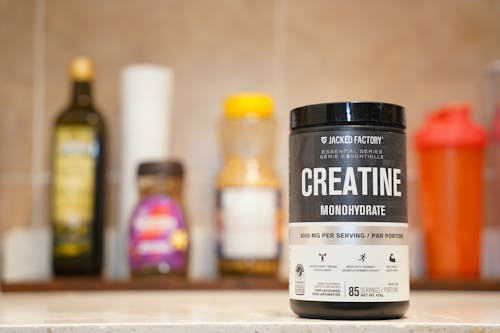
Creatine is one of the most researched and effective supplements for improving strength, endurance, and muscle growth. Many gym-goers and athletes do not always maximise its benefits. This is because of inconsistent use or misunderstandings about how it works. If you are new to creatine, this guide explains how to get the most from every scoop. If you are looking to refine your strategy, this guide explains how to get the most from every scoop.

What Creatine Does and Why It Works
Creatine is a naturally occurring compound found in your muscles. It helps produce adenosine triphosphate (ATP), which is the main energy source your body relies on during high-intensity exercise. By supplementing with creatine, you increase your muscles’ phosphocreatine stores, allowing for faster energy regeneration.
In simple terms, creatine gives your body the fuel it needs to train harder and recover better. Studies consistently show that it can enhance muscle strength. It also increases power output and lean muscle mass. These effects are especially notable when creatine is combined with resistance training.
Choose the Right Type of Creatine
There are several types available, but creatine monohydrate remains the most reliable and scientifically backed option. It is cost-effective, widely available, and proven to deliver results.
You might come across alternatives such as creatine hydrochloride (HCL) or buffered creatine, which claim better absorption or less bloating. However, research shows very little difference in performance benefits compared with monohydrate. For most users, sticking with the tried and tested standard is the best choice.
Loading Phase vs. Daily Dose
One of the first questions many people ask is whether they should follow a loading phase. The answer depends on how quickly you want to experience the full effects.
- Loading phase: Take 20 grams per day (split into four servings) for five to seven days. This saturates your muscles faster, meaning you will see performance improvements sooner.
- Daily maintenance: After loading, shift to three to five grams per day to maintain optimal muscle stores.
If you would rather skip the loading stage, you can simply start with three to five grams daily. You will still reach full saturation within about three to four weeks, just at a slower pace.
When to Take Creatine
Timing is less important than consistency, but pairing creatine with specific meals or training windows can help absorption. The most effective times to take it include:
- Post-workout: Taking creatine with protein and carbohydrates can boost uptake due to increased insulin sensitivity after exercise.
- Pre-workout: Some prefer taking creatine before training to ensure it is available during high-intensity activity.
- Anytime on rest days: The goal is to maintain muscle saturation. Take your daily dose even when you are not training.
Consistency is key, and missing doses can lower muscle creatine levels over time.

Mix It the Right Way
Creatine dissolves best in warm liquids. Mixing it into your post-workout shake, warm water, or smoothie can improve texture and absorption. Avoid leaving it sitting too long in water, as it can degrade into creatinine, which is a less effective byproduct.
Combine Creatine with Proper Nutrition
Creatine works best when paired with a balanced diet that includes protein, carbohydrates, and healthy fats. Since it promotes muscle growth, your body needs enough calories and nutrients to support recovery and tissue repair.
Some quick pairing tips include:
- Combine creatine with a post-workout shake containing whey protein and carbohydrates for optimal muscle recovery.
- Stay hydrated, as creatine draws water into your muscle cells.
- Avoid very low-carb diets while supplementing, since carbohydrates help drive creatine into the muscles.
Do Not Forget to Stay Consistent
Creatine is not a quick fix. Results build up over time as your muscles adjust and stores reach saturation. You can expect noticeable improvements in performance or strength after three to four weeks of regular use.
Track your workouts, lifts, and recovery times during this period. You will likely notice measurable progress, especially if you combine creatine with a structured resistance training plan.
Common Myths About Creatine
There are still a few misconceptions to clear up:
- Myth: Creatine causes bloating. While mild water retention inside muscle cells can occur, it is not the same as digestive bloating.
- Myth: It damages your kidneys. Research shows creatine is safe for healthy adults when taken at the proper dose.
- Myth: You need to take breaks or cycle off. There is no scientific reason to stop taking creatine unless advised by a healthcare professional.
Maximise Your Results with Smart Training
Creatine amplifies the benefits of effective training. To get the best results:
- Focus on compound exercises such as squats, deadlifts, and bench presses.
- Follow a progressive strength plan.
- Allow enough rest and recovery between workouts for optimal strength building.
Final Thoughts
Creatine is one of the simplest and most effective supplements you can add to your fitness routine. With the right dosage, consistent timing, and balanced nutrition, it can significantly improve energy, endurance, and muscle development.
Whether you are chasing strength goals, physical improvements, or better overall performance, you should understand how to use creatine correctly. This knowledge will help you achieve results faster. It will also help you sustain them over time.
Leave a Reply