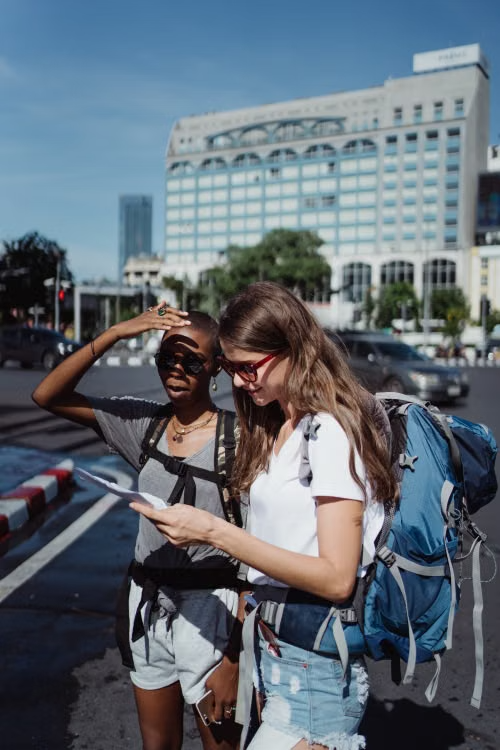
Travelling is often portrayed as a relaxing escape filled with beautiful sights, great food, and unforgettable memories. While these elements are certainly part of the experience, travel also comes with its fair share of obstacles. From navigating unfamiliar cities to overcoming language barriers, many travellers encounter situations that push them outside their usual routines. Although these moments can feel uncomfortable at first, they often become the most rewarding aspects of a journey.

In fact, travel challenges are one of the most effective ways to encourage personal growth. When faced with new environments, unexpected problems, and unfamiliar cultures, travellers develop valuable skills that can positively impact every area of their lives. Stepping beyond your comfort zone isn’t always easy, but it can transform the way you see the world and yourself.
Why Comfort Zones Can Hold Us Back
A comfort zone is a state where we feel safe, familiar, and in control. While there is nothing wrong with enjoying routine and stability, staying within these boundaries all the time can limit personal development.
When you travel, many of the things you usually rely on disappear. You may be unable to speak the local language, understand transportation systems, or find your usual comforts. This disruption pushes you to adapt and think differently.
The magic of travel lies in these moments of uncertainty. Rather than avoiding challenges, travellers learn to face them head-on. Each success, no matter how small, increases confidence and demonstrates that you’re capable of more than you originally believed.
Travel Challenges Build Confidence
One of the greatest benefits of travel is the confidence gained through overcoming difficulties. Tasks that might initially seem intimidating often become manageable after a little persistence.
Perhaps you’ve arrived alone in a busy airport, figured out a foreign metro system, or successfully communicated despite a language difference. These experiences may seem small, but each accomplishment reinforces your ability to solve problems independently.

As your confidence grows during your travels, you’ll often find that it carries over into daily life. Many people return from trips feeling more willing to try new experiences, speak up in unfamiliar situations, or pursue goals that previously seemed out of reach.
The confidence developed through overcoming travel challenges is long-lasting because it’s built on real-world experience rather than theory.
Learning Resilience Through Unexpected Situations
No matter how carefully you plan, travel rarely goes exactly as expected. Flights get delayed, weather changes suddenly, accommodation bookings can go wrong, and plans may need to be completely rearranged.
While these situations can be frustrating, they teach resilience. Instead of becoming overwhelmed, travellers learn to stay calm, assess their options, and find practical solutions.
Resilience is one of the most valuable life skills a person can develop. Whether at work, in relationships, or during difficult periods of life, the ability to adapt and move forward despite setbacks is essential.
The next time you encounter unexpected circumstances while travelling, remember that these moments are contributing to your growth. Every challenge overcome becomes proof that you can handle future obstacles with greater confidence and composure.
Developing Problem-Solving Skills
Travel often presents situations that require quick thinking and creativity. When you’re far from home, you can’t always rely on familiar support networks or routines.
You might need to:
- Find alternative transportation after a missed connection.
- Navigate a city without internet access.
- Manage a tight travel budget.
- Communicate important information across a language barrier.
These experiences strengthen problem-solving skills in ways that everyday life sometimes cannot. You learn to assess situations, gather information, and make decisions independently.
Over time, frequent exposure to travel challenges helps people become more resourceful and adaptable. These qualities are highly valuable in professional and personal settings alike.
Expanding Cultural Awareness
Travelling introduces you to different customs, traditions, and perspectives. While cultural differences can occasionally feel confusing or uncomfortable, they often lead to a deeper understanding of the world.
For example, dining etiquette, communication styles, and social expectations may vary significantly between countries. Learning to navigate these differences requires open-mindedness and patience.

Exposure to different cultures encourages travellers to challenge assumptions and broaden their perspectives. It becomes easier to appreciate that there are many valid ways of living, working, and interacting.
This increased cultural awareness can improve empathy, communication skills, and relationships both during travel and at home.
Becoming More Independent
Modern life often allows us to rely heavily on familiar systems, routines, and people. Travel removes many of these supports and encourages greater independence.
When travelling, you are often responsible for:
- Planning itineraries.
- Managing budgets.
- Booking accommodation.
- Navigating unfamiliar locations.
- Solving unexpected problems.
Each responsibility strengthens self-reliance. As travellers become accustomed to making decisions independently, they gain trust in their own judgement and abilities.
Many people discover a sense of freedom through travel that they have never experienced before. Successfully handling travel challenges alone can be incredibly empowering and help foster a stronger sense of personal independence.
Embracing Uncertainty
One of the most difficult aspects of growth is learning to be comfortable with uncertainty. Most people naturally prefer predictability, but life rarely offers complete control.
Travel teaches you to embrace the unknown. Whether it’s exploring a new city, trying unfamiliar food, or interacting with people from different backgrounds, every experience contains an element of unpredictability.
Rather than viewing uncertainty as something negative, travellers often learn to see it as an opportunity for discovery and adventure.
This mindset shift can be transformative. People who become comfortable with uncertainty are often more adaptable, open to change, and willing to pursue new opportunities both personally and professionally.
Creating Stronger Memories
Interestingly, the moments that challenge us while travelling are often the ones we remember most vividly.
Years later, travellers are more likely to recount stories about missed trains, unexpected detours, spontaneous adventures, or overcoming difficult situations than they are about relaxing by the hotel pool.
Why? Because overcoming obstacles creates emotional engagement. These experiences demand focus, creativity, and courage, making them more meaningful and memorable.
The travel challenges that feel frustrating at the time frequently become the stories that shape your personal journey and define your most memorable adventures.
Conclusion
Travel is about much more than visiting new places. It is an opportunity to learn, adapt, and grow in ways that everyday life rarely demands. By stepping beyond familiar routines and embracing the unexpected, travellers develop confidence, resilience, independence, cultural awareness, and valuable problem-solving skills.
While it can be tempting to avoid discomfort, genuine growth often occurs when we challenge ourselves. The next time a journey presents an unexpected obstacle, try to view it as an opportunity rather than a setback.
After all, the greatest rewards of travel are often found just beyond your comfort zone. By embracing travel challenges, you may discover strengths, capabilities, and perspectives you never knew you had.
Leave a Reply