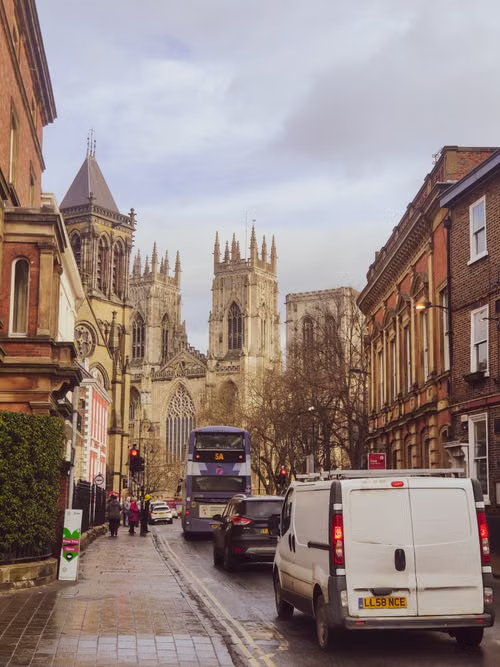
A long weekend away can be the perfect opportunity to recharge, explore somewhere new, and take a break from the routines of daily life. Whether you’re heading to the coast, visiting a historic city, or escaping to the countryside, a well-planned trip can feel just as rewarding as a much longer holiday. The key is making the most of your limited time so that every day counts.

In this guide, we’ll explore practical ways to maximise your long weekend away, helping you return home feeling refreshed, inspired, and ready to take on the week ahead.
Why a Long Weekend Away Is Worth It
Many people assume that meaningful travel requires a week or more. However, a long weekend away offers plenty of benefits without the need to use a large amount of annual leave. With careful planning, you can enjoy new experiences, reduce stress, and create lasting memories in just a few days.
Long weekends are also ideal for busy professionals, families, and couples who want a change of scenery without committing to an extended trip. Better yet, shorter breaks are often easier to budget for, making regular getaways more achievable throughout the year.
Choose the Right Destination
One of the most important factors in a successful long weekend away is selecting the right destination. Since your time is limited, it’s best to choose somewhere that is easy to reach and offers plenty to see and do.
Consider destinations that are accessible by train, car, or a short flight from the UK. Popular options include:
- The Lake District for scenic walks and outdoor adventures
- Edinburgh for history, culture, and great food
- Cornwall for coastal relaxation
- York for charming streets and historical attractions
- The Cotswolds for picturesque villages and countryside escapes

When choosing a location, think about your personal travel style. Some people prefer activity-packed city breaks, while others enjoy a slower pace with opportunities to unwind.
Plan Ahead Without Overplanning
A long weekend away benefits from a little preparation, but it’s important not to schedule every minute.
Start by researching:
- Accommodation options
- Local attractions
- Restaurants and cafés
- Transport links
- Weather forecasts
Having a rough itinerary can help you avoid wasting time deciding what to do once you arrive. However, leave room for spontaneity. Some of the best travel experiences happen unexpectedly, whether that’s discovering a hidden café, stumbling across a local event, or finding a scenic viewpoint not listed in any guidebook.
Aim to identify one or two key activities for each day and build flexibility around them.
Travel at the Best Times
With only a few days available, transport delays and poorly timed travel can significantly reduce your holiday time.
Many travellers choose to leave early on Friday or travel on Thursday evening if possible. Similarly, returning later on Monday can help maximise your break.

If you’re driving, check traffic conditions beforehand and consider travelling outside peak hours. For train or air travel, booking tickets in advance can often save money and secure better departure times.
A little planning can give you several extra hours to enjoy your destination.
Pack Smart and Travel Light
Packing efficiently can make your long weekend away much more enjoyable. Dragging heavy luggage around stations, airports, and hotels can quickly become frustrating.
Stick to essentials and choose versatile clothing items that can be mixed and matched throughout the trip.
Consider packing:
- Comfortable footwear
- Lightweight layers
- Portable phone charger
- Reusable water bottle
- Weather-appropriate outerwear
- Basic toiletries
Travelling with a small suitcase or weekend bag often saves time and makes getting around much easier.
Focus on Quality Experiences
A common mistake during a short break is trying to squeeze too much into the itinerary. This can leave travellers feeling exhausted rather than refreshed.
Instead, focus on quality over quantity. Choose experiences that genuinely interest you and allow yourself time to enjoy them fully.
Examples include:
- Taking a guided walking tour
- Visiting a local market
- Exploring coastal paths
- Enjoying a memorable meal
- Visiting museums or galleries
- Watching a sunset from a scenic viewpoint
By slowing down and immersing yourself in the destination, you’ll often enjoy a richer travel experience than trying to tick off every attraction.
Discover Local Food and Drink
Food is often one of the highlights of any getaway. A long weekend away provides the ideal opportunity to sample regional specialities and support local businesses.

Research popular restaurants before you arrive, but leave room to try places recommended by locals. Independent cafés, family-run pubs, and small restaurants frequently provide the most memorable dining experiences.
Whether you’re enjoying fresh seafood on the coast, traditional British pub food in the countryside, or street food in a city centre, experimenting with local cuisine can add another dimension to your trip.
Food experiences also tend to create some of the strongest travel memories.
Unplug and Be Present
Many people spend their working week constantly connected to emails, notifications, and social media. A long weekend away presents the perfect opportunity to step back from digital distractions.
While it’s understandable to capture photos and stay connected when needed, try setting some boundaries around screen time.
You could:
- Limit social media use
- Turn off work notifications
- Avoid checking emails
- Spend more time outdoors
- Focus on conversations and experiences
Being fully present often helps travellers feel more refreshed when they return home.
Incorporate Relaxation Time
It’s easy to fall into the trap of treating a short break like a race against time. While seeing attractions is important, relaxation should also be part of the experience.
Schedule moments to simply enjoy your surroundings.
This could mean:
- Sitting in a waterfront café
- Reading a book in the sunshine
- Visiting a spa
- Taking a leisurely countryside walk
- Watching the world go by in a town square
These quieter moments often become the most enjoyable parts of a long weekend away.

Capture Memories Thoughtfully
Photographs can help preserve your travel memories, but don’t spend the entire trip behind a camera lens.
Take a few meaningful photos throughout the weekend and consider keeping a simple travel journal. Recording favourite restaurants, funny moments, or unexpected discoveries can help you relive the experience long after you’ve returned home.
Many travellers find that a small collection of quality photographs provides more value than hundreds of images they never revisit.
Make the Return Home Easier
The end of a long weekend away doesn’t have to result in instant stress. A little preparation before you leave can make the transition back to everyday life much smoother.
Before returning home:
- Tidy your accommodation
- Check travel arrangements
- Pack the night before departure
- Plan meals for your first day back
- Allow time to unpack and relax
If possible, avoid filling your calendar with commitments immediately after your return. Giving yourself some breathing room helps maintain the positive effects of your getaway.
Final Thoughts
A long weekend away can deliver many of the same benefits as a much longer holiday when approached thoughtfully. By choosing the right destination, planning wisely, travelling efficiently, and focusing on meaningful experiences, you can create unforgettable memories in just a few days.
The beauty of a long weekend away lies in its simplicity. It doesn’t require extensive planning or a huge budget. Sometimes, all it takes is a change of scenery, a sense of adventure, and a few days devoted to enjoying life at a different pace. By making every moment count, you’ll return home refreshed, inspired, and already thinking about your next escape.
Leave a Reply