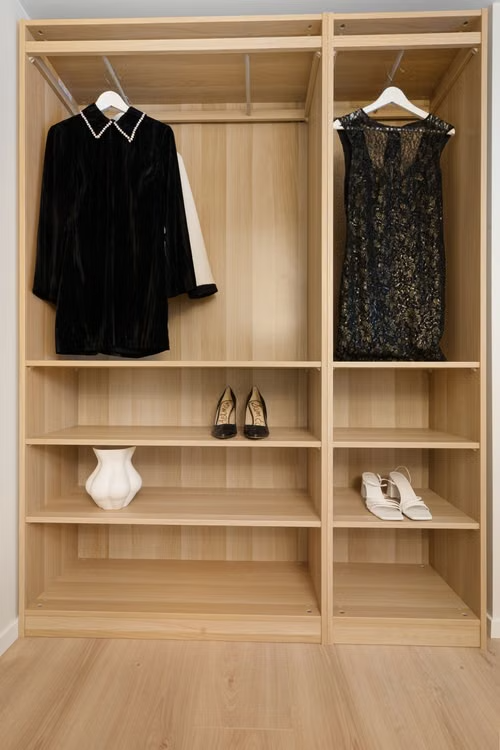
As the seasons change, it can be tempting to head straight to the shops and invest in an entirely new wardrobe. However, constantly buying new clothes for every shift in weather is neither budget-friendly nor sustainable. The good news is that transitioning your wardrobe between seasons doesn’t have to cost a fortune. With a little planning and some smart styling tricks, you can make the most of the clothes you already own while looking stylish year-round.
Here’s how to transition your wardrobe between seasons without overspending.
Start by Assessing Whats in your Wardrobe
Before buying anything new, take stock of your existing wardrobe. Many people already have versatile pieces that can work across multiple seasons but often forget about them.

Go through your clothes and separate them into categories:
- Year-round staples
- Seasonal items
- Pieces that can be layered
- Items that need repairing or updating
You may discover that your favourite summer dress works perfectly with a jumper and boots during the transition to autumn, or that a lightweight spring jacket can be layered over knitwear in cooler weather.
By identifying what you already have, you’ll avoid purchasing duplicate items and make more informed shopping decisions.
Invest in Versatile Basics
One of the best ways to create a wardrobe that works across multiple seasons is by focusing on timeless basics.
Some key wardrobe essentials include:
- Plain t-shirts
- Neutral knitwear
- Classic jeans
- Button-down shirts
- Tailored trousers
- Lightweight jackets
- Midi skirts
These pieces can be styled in countless ways transition through the year. Neutral colours such as black, navy, grey, beige and white are particularly versatile and easy to mix and match.
Building outfits around quality basics helps reduce the need for constant seasonal shopping while ensuring you always have something stylish to wear.
Master the Art of Layering
Layering is the secret weapon for seasonal dressing.
Rather than buying completely different wardrobes for warm and cold weather, layering allows you to transition outfits as temperatures fluctuate.
For example:
- Wear a t-shirt under a cardigan or blazer.
- Add a fine-knit jumper over a summer dress.
- Layer a lightweight trench coat over everyday outfits.
- Wear thermal tops underneath shirts during colder months.
Layering not only extends the life of seasonal clothing but also gives you more outfit combinations to work with.
The key is to choose lightweight layers that can be added or removed throughout the day as the weather changes.
Create a Capsule Wardrobe
A capsule wardrobe is a collection of versatile clothing pieces that work well together.

Rather than following every fashion trend, focus on owning fewer items that can be worn in multiple ways.
Benefits of a capsule wardrobe include:
- Less clutter
- Easier outfit planning
- Reduced clothing costs
- More sustainable fashion choices
When transitioning between seasons, a capsule wardrobe allows you to swap in a few seasonal pieces while keeping the majority of your wardrobe consistent.
For example, replacing sandals with ankle boots and adding knitwear can completely transform a spring wardrobe into an autumn-ready collection.
Use Accessories to Refresh Your Look
Accessories can dramatically change the feel of an outfit without requiring major purchases.
Consider updating your seasonal style with:
- Scarves
- Belts
- Jewellery
- Hats
- Handbags
- Sunglasses
A lightweight scarf can add warmth during cooler spring mornings, while a statement belt can give new life to an outfit you’ve worn countless times.
Because accessories are often more affordable than clothing, they offer a cost-effective way to update your wardrobe between seasons.
Shop Your Wardrobe First
Many fashion experts recommend “shopping your wardrobe” before spending any money.
This means experimenting with different outfit combinations using items you already own.
Try:
- Pairing summer skirts with chunky knitwear
- Wearing dresses over trousers
- Layering shirts under sleeveless dresses
- Mixing textures such as denim, leather and knitwear
Taking photos of successful outfit combinations can help you remember new styling ideas and reduce the urge to buy unnecessary clothing.
You may be surprised at how many fresh looks you can create without purchasing anything new.
Buy Only What You Need
If there are gaps in your wardrobe, shop strategically rather than impulsively.

Before making a purchase, ask yourself:
- Will I wear this regularly?
- Does it match at least three existing outfits?
- Can I wear it in multiple seasons?
- Is it replacing something that no longer fits or serves a purpose?
Prioritising practical purchases helps ensure your budget is spent wisely.
For example, investing in a quality trench coat, versatile ankle boots or a classic cardigan will likely provide more value than buying trend-driven items that may only be worn for a few months.
Take Advantage of End-of-Season Sales
One of the smartest ways to save money on seasonal fashion is to shop ahead.
Retailers often offer significant discounts at the end of each season to clear inventory.
For example:
- Buy winter coats in late winter.
- Purchase summer dresses in early autumn.
- Stock up on knitwear during spring sales.
Planning ahead allows you to take advantage of reduced prices rather than paying full price when the next season begins.
Just be careful to purchase items you genuinely need rather than buying something simply because it’s discounted.
Look After Your Clothes
Extending the life of your clothing is one of the most effective ways to reduce fashion costs.
Simple maintenance habits include:
- Following washing instructions
- Repairing loose buttons promptly
- Using fabric shavers on knitwear
- Storing seasonal clothing properly
- Cleaning shoes regularly
Well-maintained clothing not only lasts longer but also looks better year after year.
Treating your wardrobe as an investment can help you get far more value from every purchase.
Consider Second-Hand Fashion
Pre-loved fashion has become increasingly popular across the UK, offering stylish options at a fraction of retail prices.
Charity shops, vintage boutiques and online resale platforms can be excellent sources of:
- Quality coats
- Designer pieces
- Knitwear
- Accessories
- Denim
Buying second-hand allows you to experiment with seasonal trends affordably while making a more environmentally conscious choice.
Many shoppers are now building stylish wardrobes almost entirely through second-hand purchases.
Focus on Cost Per Wear
Instead of concentrating solely on an item’s price tag, think about its cost per wear.
A £100 coat worn 100 times effectively costs £1 per wear, while a £20 top worn twice costs £10 per wear.
This mindset encourages smarter buying decisions and often leads to choosing higher-quality, longer-lasting pieces that provide greater value over time.
When transitioning your wardrobe between seasons, prioritise investments that will continue to serve you year after year.
Final Thoughts
Transitioning your wardrobe between seasons doesn’t require a complete overhaul or a large budget. By focusing on versatile basics, mastering layering techniques, shopping strategically and making the most of what you already own, you can create stylish outfits for every season without overspending.
Fashion isn’t about constantly buying more—it’s about making smarter choices. With a little creativity and planning, you can refresh your look throughout the year while saving money and building a wardrobe that truly works for your lifestyle.


Leave a Reply