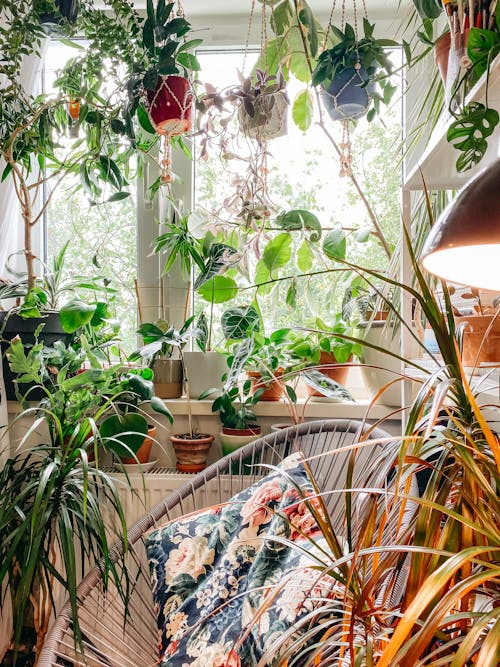
Houseplants do more than make your home look nice. They can help create a calm space, improve air quality, and bring colour into every room. In the UK, houseplants have become a popular part of modern living. From small flats in London to family homes in the countryside, people are filling their spaces with leafy greens.

The good news is that caring for houseplants does not need to feel difficult. With a few simple habits, you can keep your plants healthy and thriving all year round. Whether you are new to indoor gardening or want to improve your plant care routine, this guide covers everything you need to know.
Choose the Right Houseplants for Your Home
One of the biggest mistakes people make is buying plants that do not suit their space. Every houseplant has different needs. Some love bright sunlight, while others grow well in shady corners.
Before buying a plant, think about these factors:
- How much natural light your room gets
- The temperature of your home
- How much time you can spend caring for plants
- Whether you have pets or small children
If you are a beginner, start with easy houseplants that need little attention. Good choices include:
- Snake plants
- Pothos
- Spider plants
- Peace lilies
- ZZ plants
These plants can handle small mistakes and are perfect for busy households.
Understand How Much Light Your Plants Need
Light is one of the most important parts of houseplant care. Without enough light, plants can become weak and stop growing.
Most indoor plants fit into three categories:
Bright Light Plants
These plants enjoy lots of sunlight. Place them near south facing or west facing windows. Succulents, cacti, and fiddle leaf figs usually need bright light.
Medium Light Plants
Plants like monsteras and peace lilies prefer indirect light. A spot near a bright window works well.
Low Light Plants
Snake plants and ZZ plants can survive in darker areas. They are ideal for hallways or rooms with limited sunlight.

In the UK, natural light changes with the seasons. During winter, some plants may need moving closer to windows.
Learn the Right Way to Water Houseplants
Overwatering is one of the most common causes of unhealthy houseplants. Many people water plants too often because they think more water means better growth.
Most plants prefer soil that dries slightly between watering.
To check if your plant needs water, place your finger about two inches into the soil. If it feels dry, it is time to water.
Here are some useful watering tips:
- Use pots with drainage holes
- Empty excess water from saucers
- Water less during winter
- Avoid soaking leaves unless the plant enjoys humidity
Different plants need different amounts of water. Cacti and succulents need less water than tropical plants.
Pick the Best Soil for Indoor Plants
Good soil helps houseplants grow strong roots. Standard garden soil is often too heavy for indoor plants.
Most houseplants grow best in high quality potting compost. Some plants need special mixes.
For example:
- Succulents prefer sandy soil with fast drainage
- Orchids need bark based compost
- Ferns enjoy moisture retaining soil
Refreshing the soil every year can improve plant health and growth.
Keep the Right Temperature and Humidity
Many popular houseplants come from tropical climates. They prefer warm temperatures and moderate humidity.
Most indoor plants grow well between 18 and 24 degrees Celsius. Avoid placing plants close to radiators, cold draughts, or open windows during winter.
Homes in the UK can become very dry when heating is on. To increase humidity, you can:
- Mist plants lightly
- Place a tray of water near plants
- Group plants together
- Use a humidifier
Bathrooms and kitchens often work well for tropical plants because these rooms naturally have more moisture in the air.
Feed Your Houseplants Properly
Houseplants need nutrients to stay healthy. Over time, nutrients in the soil run out.
Using a houseplant fertiliser during the growing season can help plants produce new leaves and stronger roots.
Spring and summer are the main growing months for indoor plants in the UK. Feed plants every few weeks during this time.
In autumn and winter, most plants grow more slowly. You can reduce feeding or stop completely until spring returns.
Always follow the instructions on the fertiliser packaging. Too much fertiliser can damage roots.
Clean and Prune Your Plants
Dust can build up on plant leaves over time. This can block sunlight and make it harder for plants to grow.
Wipe leaves gently with a damp cloth every few weeks. This keeps plants looking fresh and healthy.
Pruning is also important. Remove yellow leaves, dead stems, and damaged growth. This helps the plant focus energy on healthy new growth.
For climbing plants like pothos or ivy, regular trimming can encourage fuller growth.
Repot Houseplants When Needed
Houseplants eventually outgrow their pots. When roots become crowded, plants may stop growing properly.
Signs your plant needs repotting include:
- Roots growing through drainage holes
- Water draining too quickly
- Slow growth
- Soil drying out very fast
Choose a pot that is slightly larger than the current one. Too much extra space can lead to overwatering problems.
Spring is usually the best time to repot houseplants.
Watch Out for Common Houseplant Problems
Even healthy plants can sometimes develop issues. Catching problems early makes them easier to fix.
Yellow Leaves
Yellow leaves often mean overwatering. Check the soil before watering again.
Brown Leaf Tips
Dry air, underwatering, or too much fertiliser can cause brown tips.
Drooping Leaves
Plants may droop because of too much water, not enough water, or sudden temperature changes.
Pests
Common houseplant pests include spider mites, fungus gnats, and mealybugs.
Inspect plants regularly and wipe leaves clean. If pests appear, use insecticidal soap or neem oil.
The Best Houseplants for Beginners
If you are starting your indoor plant journey, choose plants that are easy to care for.
Snake Plant
Snake plants tolerate low light and irregular watering. They are one of the easiest indoor plants to grow.

Spider Plant
Spider plants grow quickly and produce baby plants that you can repot.
Pothos
Pothos plants are forgiving and look beautiful on shelves or hanging planters.
Peace Lily
Peace lilies have elegant white flowers and clearly droop when they need water.

ZZ Plant
ZZ plants survive well in low light and need little maintenance.
Seasonal Houseplant Care Tips
Houseplant care changes throughout the year.
Spring
This is the main growing season. Start feeding plants and repot if needed.
Summer
Plants may need more water during warmer weather. Keep an eye on bright sunlight that could scorch leaves.
Autumn
Growth begins to slow. Reduce watering slightly.
Winter
Most houseplants need less water and no fertiliser. Keep plants away from cold windows and radiators.
Create a Houseplant Care Routine
Consistency is the secret to healthy indoor plants. A simple routine makes plant care easier.
Each week, take a few minutes to:
- Check soil moisture
- Look for pests
- Remove dead leaves
- Rotate plants for even growth
- Clean dusty leaves
Over time, you will learn what your plants need.
Final Thoughts on Caring for Houseplants
Learning how to care for your houseplants does not need to feel overwhelming. Start with easy plants, pay attention to light and watering, and make small adjustments as needed.
Every home is different, so plant care often involves a little trial and error. The more time you spend with your plants, the more confident you will become.
Healthy houseplants can brighten your home, improve your mood, and create a relaxing indoor space. With the right care, your indoor garden can thrive throughout every season in the UK.
Leave a Reply