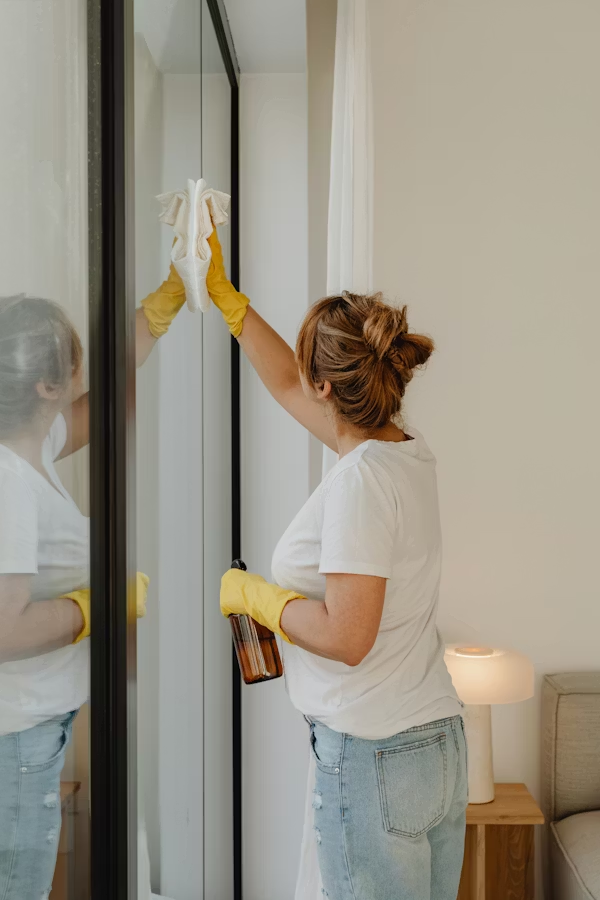
Keeping your home clean is about more than just appearances. Regular cleaning helps reduce bacteria, improve air quality, and create a more comfortable living space. The problem is that many household items are easy to forget. Some are used daily but cleaned only occasionally.

If you have ever wondered how often you should clean everyday items, this guide will help. It breaks down common household objects and gives you a simple, practical cleaning schedule you can follow.
Why Regular Cleaning Matters
Dirt, dust, and bacteria build up faster than most people think. Items you touch often can carry germs, while soft furnishings can trap dust and allergens.
Cleaning regularly can:
- Reduce the spread of germs
- Improve indoor air quality
- Extend the life of your belongings
- Make your home feel fresher and more organised
By sticking to a simple routine, you can avoid overwhelming deep cleans.
Daily Cleaning Tasks
Some items need attention every day because they are used frequently or come into contact with food and bacteria.
- Kitchen Surfaces
Wipe down kitchen counters and worktops after each use. Food spills and crumbs can quickly attract bacteria. - Dishes and Sink
Wash dishes daily and rinse the sink after use. A dirty sink can hold more bacteria than you expect. - Bathroom Surfaces
Quickly wipe sinks and taps to prevent limescale and soap build-up. - Door Handles and Light Switches
These are high-touch areas. A quick disinfect once a day or every other day helps reduce germs.
Weekly Cleaning Checklist
Weekly cleaning keeps your home manageable and prevents build-up.
- Bed Sheets
Wash your bed sheets once a week. This removes sweat, skin cells, and dust mites. - Towels
Bath towels should be washed every three to four uses, which usually means once or twice a week. - Floors
Vacuum carpets and mop hard floors weekly. High-traffic areas may need more frequent cleaning. - Bathroom Cleaning
Clean the toilet, shower, and bath thoroughly once a week to prevent mould and bacteria. - Kitchen Appliances
Wipe down appliances such as microwaves, hobs, and fridge shelves. - Dusting
Dust surfaces like shelves, tables, and skirting boards to reduce allergens.

Monthly Cleaning Tasks
Some household items do not need daily or weekly cleaning but should still be maintained regularly.
- Oven
Clean your oven once a month if used often. Built-up grease can affect performance and smell. - Fridge Deep Clean
Remove expired food and wipe down shelves and drawers. - Washing Machine
Run a hot cycle with a cleaning solution to remove detergent build-up and odours. - Dishwasher
Clean the filter and run an empty cycle with a cleaner to keep it working efficiently. - Bins
Wash household bins with disinfectant to remove bacteria and smells. - Soft Furnishings
Vacuum sofas and cushions. This helps remove dust and crumbs. - Every Three to Six Months
- These items are often forgotten but benefit from seasonal cleaning.
- Mattress
Vacuum your mattress and rotate it every three to six months. This helps maintain its shape and hygiene. - Curtains
Wash or steam clean curtains to remove dust and odours. - Windows
Clean windows inside and out for better light and clarity. - Carpets
Deep clean carpets using a machine or hire a professional cleaner. - Behind Furniture
Move larger items and clean underneath and behind them to remove hidden dust.
Twice a Year Cleaning Tasks
A deeper clean twice a year keeps your home in top condition.
- Wardrobes
Sort through clothes and donate items you no longer wear. Wipe down shelves and drawers. - Kitchen Cupboards
Empty cupboards and clean inside. Check expiry dates on food. - Extractor Fans
Clean kitchen and bathroom fans to maintain airflow and reduce grease build-up. - Outdoor Areas
Clean patios, balconies, and outdoor furniture ready for seasonal use. - Annual Cleaning Tasks
- Some tasks only need to be done once a year but make a big difference.
- Mattress Protector and Pillows
Wash or replace pillows and mattress protectors annually. - Deep Clean Upholstery
Hire a professional or use a machine to deep clean sofas and armchairs. - Chimney and Fireplace
If you have a fireplace, have it cleaned and inspected once a year. - Gutters
Clear gutters to prevent blockages and water damage.
Less Obvious Items You Should Clean
Some everyday items are easy to overlook but can carry a surprising amount of bacteria.
- Remote Controls
Clean weekly with a disinfectant wipe. - Mobile Phones
Wipe your phone daily as it collects germs from many surfaces. - Reusable Shopping Bags
Wash regularly, especially after carrying food. - Makeup Brushes
Clean weekly to prevent skin irritation and bacteria build-up. - Toothbrush Holder
Rinse and disinfect weekly to stop bacteria growth.
How to Stay Consistent
Keeping up with cleaning can feel overwhelming without a plan. The key is to spread tasks out.
Try these tips:
- Create a simple weekly schedule
- Set reminders for monthly and seasonal tasks
- Clean little and often instead of all at once
- Keep cleaning supplies easy to access
A checklist can help you stay on track without overthinking it.
Sample Cleaning Routine
Here is a simple way to organise your cleaning:
Daily: Kitchen surfaces, dishes, quick bathroom wipe
Weekly: Laundry, floors, bathroom deep clean, dusting
Monthly: Appliances, bins, soft furnishings
Seasonal: Mattress, curtains, windows
Yearly: Deep cleans and maintenance tasks

Following a routine like this keeps your home clean without taking up too much time.
Final Thoughts
Knowing how often to clean common household items makes a big difference. It helps you stay organised and keeps your home healthier.
You do not need to clean everything every day. Focus on high-use items regularly and spread out the rest. A simple checklist makes it easier to stay consistent and avoid last-minute deep cleans.
With the right routine, keeping your home clean becomes much more manageable and far less stressful.
Leave a Reply