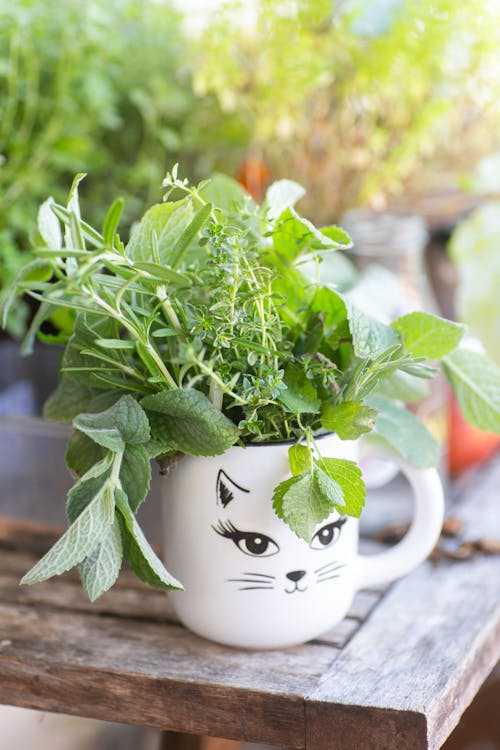
Lemon balm is a fragrant, lemon-scented herb from the mint family. It has been used in traditional medicine for centuries. It supports mood, digestion, and sleep. In this guide, you will learn what lemon balm is. You will also discover its key health benefits and common uses. Additionally, you’ll find out how to take it safely.
What Is Lemon Balm?
Lemon balm, or Melissa officinalis, is a perennial herb native to Europe and the Mediterranean. It is now grown widely around the world for culinary and medicinal use. The leaves have a mild lemon flavour. They contain active plant compounds such as rosmarinic acid, flavonoids, and essential oils. These compounds are thought to contribute to its calming and antioxidant effects.

Traditionally, it has been used in teas, tinctures, and topical preparations to ease nervous tension and digestive discomfort. Today, you will also find it in capsules, liquid extracts, sleep blends, and skincare products designed to soothe irritated skin.
Health Benefits of Lemon Balm
Research suggests that lemon balm may offer several potential health benefits, particularly for the nervous and digestive systems. While more high quality human studies are needed, early evidence and traditional use point to a range of effects.
Main potential benefits include:
- Calms anxiety and stress
Studies indicate that lemon balm can help reduce feelings of anxiety. It also promotes a sense of calm. This effect is possibly by influencing the calming neurotransmitter GABA in the brain. People taking standardized extracts have reported improved mood and reduced nervousness in small clinical trials. - Supports better sleep
Because of its relaxing properties, it is commonly used as a gentle sleep aid. It is especially effective when combined with other herbs like valerian. Research shows it may help improve sleep quality and reduce insomnia in people with stress related sleep problems. - Eases digestive discomfort
Compounds in lemon balm have carminative effects. This means they can help relieve gas and bloating. It is often taken as a tea after meals to ease indigestion, mild cramping, and general digestive upset. - Provides antioxidant support
Lemon balm contains antioxidant polyphenols that help the body combat oxidative stress and free radicals. This antioxidant activity may support overall cellular health. It is sometimes included in skincare and anti ageing formulations for this reason. - Helps with cold sores
Topical creams containing concentrated lemon balm extract aid in faster healing of cold sores. They are effective against the herpes simplex virus. These creams reduce symptoms such as redness and swelling. These antiviral and anti-inflammatory effects make it a popular natural remedy for lip outbreaks. - May support cognitive function and mood
Some studies suggest it may help improve attention and memory. It may also enhance overall mood, particularly in people experiencing stress. Early research in people with dementia also hints that it could help reduce agitation, although more evidence is needed.
Remember that herbal supplements are not a replacement for medical treatment. Many studies use specific standardized extracts at defined doses.
Common Uses of Lemon Balm
People use lemon balm in both everyday wellness routines and targeted symptom relief. Here are some of the most common ways it is used.
- Daily stress and mood support
Many people take it during the day. It helps manage mild stress. It also alleviates irritability or nervous tension. It is often blended with other calming herbs such as chamomile or lavender in teas and supplements. - Sleep and relaxation routines
Lemon balm is often consumed in the evening. People take it as a tea, tincture, or capsule to support restful sleep. Combining it with good sleep habits, like limiting screens and keeping a regular bedtime, may enhance its effects. - Digestive comfort after meals
A warm cup of lemon balm tea after eating can help soothe mild indigestion. It can also alleviate bloating or gas. It is sometimes included in herbal bitters and digestive blends designed to support healthy digestion. - Topical skin and lip care
Creams and ointments with lemon balm are used on cold sores. They are occasionally applied to irritated or sensitive skin. Its antiviral properties may help speed recovery. Its anti-inflammatory properties may reduce discomfort when applied at the first sign of a flare up. - Culinary uses
Fresh lemon balm leaves can be added to salads and fruit dishes. They can also be added to herbal butters and infused waters for a light lemony flavour. Using it in cooking provides gentle exposure to its beneficial plant compounds as part of a balanced diet.
How to Take Lemon Balm
Lemon balm is available in several forms so you can choose what fits your lifestyle and preferences. Always follow product labels and speak to a healthcare professional if you have any medical conditions or take medication.
- Tea
Dried lemon balm leaves are steeped in hot water for around 5 to 10 minutes. Many people drink one to three cups per day for relaxation or digestion, often in combination with other herbs. - Capsules and tablets
Standardized extracts in capsule or tablet form provide a more consistent dose for targeted support. Studies on stress and sleep often use total daily amounts ranging from a few hundred milligrams. These amounts are typically split into one or two doses. However, recommended amounts vary by product. - Liquid extracts and tinctures
Liquid forms are taken by the dropperful in a little water or juice. These are useful if you prefer flexible dosing or find it easier than swallowing capsules. - Topical creams and balms
For cold sores, apply creams containing a specific concentration of lemon balm extract to affected areas. Do this several times per day for a short period. Check the instructions on your chosen product for exact frequency and duration.
Strength and quality differ between brands. It is wise to choose reputable products. Consult a professional herbalist or healthcare provider for personalised guidance.
Safety, Side Effects, and Who Should Avoid It
Lemon balm usage is generally considered safe for most healthy adults when used short term and at typical doses. Mild side effects such as nausea or stomach discomfort can occur in some people, especially at higher doses.

You should take extra care and speak to a doctor or pharmacist before using lemon balm if you:
- Are pregnant or breastfeeding, as safety data is limited
- Take medication for thyroid conditions, since some sources suggest it may interact with thyroid activity
- Use sedative medications, anti anxiety drugs, or sleep aids, because lemon balm could increase drowsiness
- Have a chronic health condition or take multiple prescription medicines
If you notice increased drowsiness or dizziness after taking lemon balm, stop using it. Seek medical advice if you experience any unusual symptoms. As with any supplement, store it out of reach of children and use it alongside, not instead of, medical treatment recommended by your healthcare team
Leave a Reply